THE DIGITAL CULTURAL ECOSYSTEM OF MEXICO
DISCOVER·LEARN·TRAVEL·EXPERIENCE·BUY·TEACH·SHARE
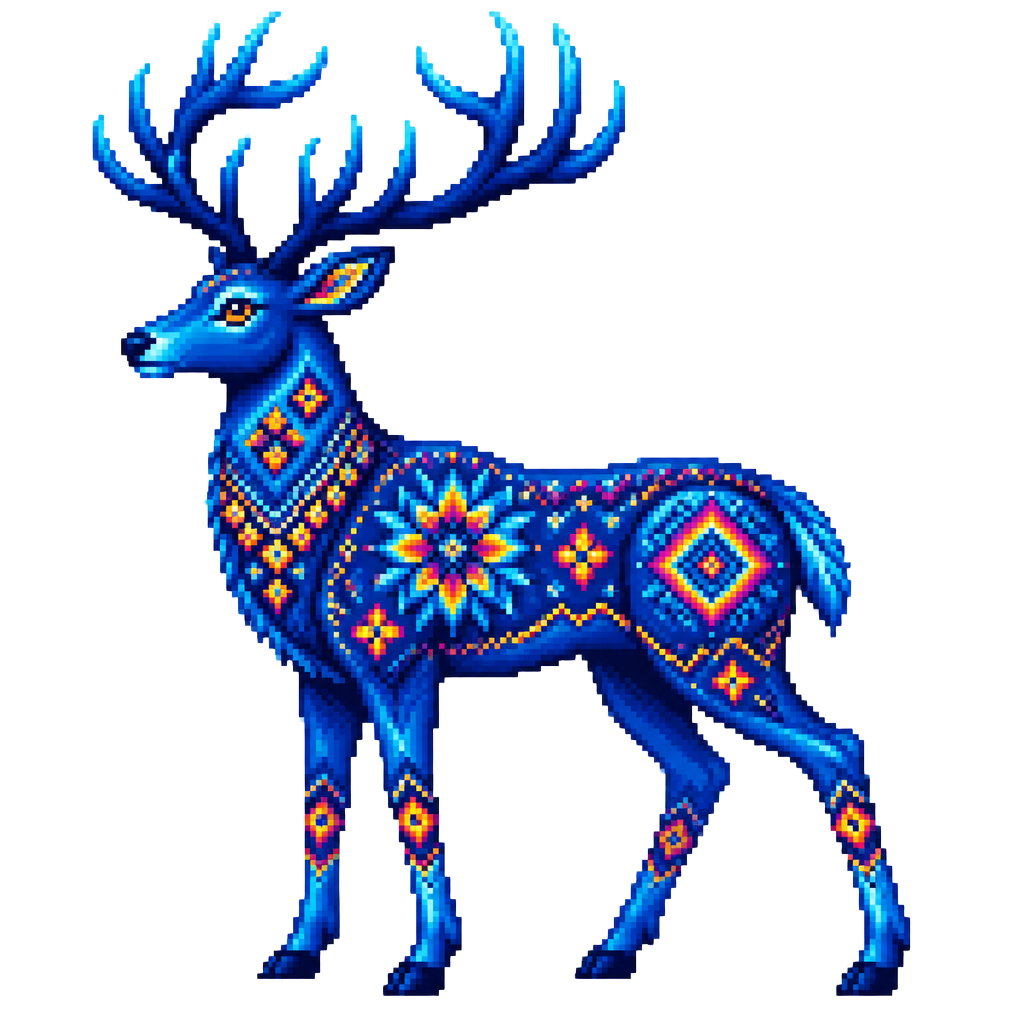
One ecosystem. Infinite Mexico.
Culture
History and heritage — from Wixárika cosmology to living traditions across 32 states.
GUESS THE STATE
Digital Passport
Complete cultural challenges and collect pixel stamps from every region.
AI Cultural Assistant
Ask anything about Mexico — language, rituals, recipes, routes.
Areas of knowledgeMexico, region by region.
Fourteen destinations across three macro-regions — the shortest way to start planning.
The Cultural & Historical Heart (Central & West)
- Mexico City
- The nation's capital, built atop ancient Tenochtitlan — castles, palaces, 150+ museums, pre-Hispanic canals (Xochimilco) and one of the world's most vibrant food scenes.
- Oaxaca
- The cultural epicenter of the country. Famous for the Guelaguetza, world-class food (mole, mezcal), the Monte Albán ruins and untamed beaches like Puerto Escondido.
- Michoacán
- Land of Purépecha traditions, monarch butterfly sanctuaries, magic towns like Pátzcuaro and a unique Day of the Dead celebration.
- Jalisco
- Birthplace of tequila, mariachi and charrería. From modern Guadalajara to Puerto Vallarta's beaches and agave landscapes.
- Guanajuato & Querétaro
- The heart of Mexico's Independence, packed with colonial architecture, historic alleys and a growing wine-and-cheese route.
- Puebla
- Famous for its baroque architecture, the towering view of Popocatépetl and Iztaccíhuatl, and its culinary wealth (chiles en nogada, mole poblano).
Wild Nature & Deserts (The North & Northwest)
- Baja California & Baja California Sur
- Perfect for ecotourism: gray whale watching, Valle de Guadalupe vineyards, the Cataviña desert and the Sea of Cortés — called 'the world's aquarium'.
- Chihuahua
- Home of the Copper Canyon, a canyon system four times larger than the Grand Canyon, explored aboard the famous Chepe train.
- San Luis Potosí
- The Huasteca Potosina: turquoise rivers, monumental waterfalls, deep sinkholes and Edward James' surrealist garden in Xilitla.
- Sonora & Coahuila
- Vast deserts with biosphere reserves (El Pinacate), white sand dunes (Cuatro Ciénegas) and beaches where the desert meets the sea (San Carlos).
The Maya World & Caribbean Beaches (The Southeast & Yucatán)
- Quintana Roo & Yucatán
- Home of the Riviera Maya: white-sand beaches, sacred cenotes, coral reefs and majestic Maya cities like Chichén Itzá and Tulum.
- Chiapas
- One of the most biodiverse and mystical zones: the Lacandon Jungle, the Sumidero Canyon, Agua Azul waterfalls and jungle-wrapped ruins like Palenque.
- Campeche & Tabasco
- Less explored regions rich in biosphere reserves (Calakmul, the second largest tropical forest in the Americas) and cradles of the Olmec civilization.
- Veracruz
- Mexico's historic gateway — adventure tourism (river descent in Jalcomulco), high-grown coffee in Coatepec and jarocha music.
Mexico's main tourism regions.
Twelve destinations across four macro-regions — museums, pyramids, jungle, canyons and two coasts.
Mexico City & the Center
- Mexico City
- World-class museums, the Historic Center and Xochimilco.
- State of Mexico / Teotihuacán
- Famous for the imposing pyramids of the Sun and the Moon.
- Puebla
- Stands out for its colonial architecture, its cathedral and its gastronomy (like mole poblano).
The Southeast & the Maya World
- Yucatán & Quintana Roo
- Home to archaeological sites like Chichén Itzá and Tulum, plus cenotes and beaches on the Riviera Maya.
- Chiapas
- Combines jungle, waterfalls (Agua Azul) and archaeological sites like Palenque.
- Oaxaca
- Known for its Indigenous heritage, folk art, gastronomy and the Monte Albán archaeological zone.
The Bajío & the West
- Guanajuato & San Miguel de Allende
- Colonial cities with cobblestone streets, tunnels and artistic festivals.
- Jalisco (Guadalajara & Tequila)
- Birthplace of mariachi, charrería and the Agave Landscape.
- Michoacán (Morelia & Pátzcuaro)
- Noted for its pink quarry-stone architecture and the Day of the Dead tradition.
The North & Pacific Coast / Sea of Cortés
- Baja California Sur (Los Cabos)
- Famous for the Arch, adventure tourism and whale watching.
- Chihuahua (Barrancas del Cobre)
- A canyon system larger than the Grand Canyon, crossed by the Chepe train.
- Pacific beaches (Puerto Vallarta, Mazatlán, Huatulco)
- Ideal for rest, surfing and marine life.
Mexican gastronomy, region by region.
Mexican gastronomy is a cultural mosaic of flavors, techniques and ancestral traditions, declared Intangible Cultural Heritage of Humanity by UNESCO. Its fundamental pillars are born in the pre-Hispanic era with corn, beans, chile and nopal, which fused with European ingredients after the Conquest to create one of the most varied cuisines in the world. Each of the country's climatic and geographic regions gave rise to unique local recipes.
Northern Mexico: Land of Meats and Deserts
Defined by extreme climates and a strong livestock tradition. Wheat-flour tortillas, charcoal-grilled cuts and meat-preservation methods stand out.
- Aguascalientes
- Pollo de San Marcos, seasoned with chiles, dried fruits and local wine.
- Baja California
- Seafood tostadas and Ensenada-style fish tacos. Drink: Valle de Guadalupe wines.
- Baja California Sur
- Lobster cooked in a butter and lemon sauce. Drink: Clamato.
- Chihuahua
- Machaca con huevo, dried beef seasoned with onion and chile. Drink: Sotol (artisanal distillate of wild agave).
- Coahuila
- Beef steaks grilled over mesquite charcoal. Drink: Pan de pulque (in its traditional cooking).
- Durango
- Caldillo duranguense, a soupy stew made with dried meat and chile pasado.
- Nuevo León
- Cabrito al pastor, slow-cooked over embers.
- Sinaloa
- Aguachile, fresh seafood cured in lime juice, chiltepín chile and cucumber.
- Sonora
- Chimichangas of shredded beef wrapped in giant flour tortillas. Drink: Bacanora (traditional agave distillate).
- Tamaulipas
- Carne a la tampiqueña, beef steak served with enchiladas and beans.
- Zacatecas
- Asado de boda, pork in a sweet, spiced mole.
The Bajío & the West: Flavors of Tradition and Coast
One of the zones with the greatest agricultural biodiversity, famous for its pork stews, comforting broths and seafood.
- Colima
- Sopitos — small tortillas fried in lard and topped with ground beef. Drink: Tuba (fermented coconut-palm drink).
- Guanajuato
- Enchiladas mineras, filled with cheese and covered with potatoes and carrots in guajillo chile sauce.
- Jalisco
- Birria of goat or beef, and tortas ahogadas in chile de árbol sauce. Drink: Tequila and tejuino (cold fermented-corn drink).
- Michoacán
- Pork carnitas cooked in copper vats. Drink: Charanda (cane spirit) and the traditional sopa tarasca.
- Nayarit
- Pescado zarandeado, grilled over embers with a marinade of chiles and spices.
- Querétaro
- Chivo tapeado, meat seasoned with chiles and steamed underground.
- San Luis Potosí
- Enchiladas potosinas, whose corn masa is mixed straight with ancho chile. Drink: Colonche (fermented prickly-pear drink).
The Center of the Country: The Culinary Heart of Mexico
Here complex recipes gather that mix the convent roots of the colonial era with everyday street food.
- Mexico City
- Tacos al pastor of pork marinated on the trompo, and the famous guajolotas (tamal torta).
- State of Mexico
- Chorizo verde — a traditional sausage made with aromatic herbs and green chiles in Toluca.
- Guerrero
- Pozole verde, a broth of cacahuazintle corn seasoned with pumpkin seed and epazote. Drink: Chilate (cold drink of cacao, rice and cinnamon).
- Hidalgo
- Barbacoa of lamb cooked in an earth oven with maguey leaves. Drink: Pulque, native to the Altiplano.
- Morelos
- Cecina de Yecapixtla — beef cured with salt and dried in the sun.
- Puebla
- Mole poblano and chiles en nogada, icons of convent culinary mestizaje.
- Tlaxcala
- Tacos de canasta, steamed and seasoned with guajillo chile oil.
The South & Southeast: Maya and Indigenous Treasures
Land of intense flavors, complex achiote adobos, local herbs and great biological richness, tasted in dishes cooked underground or in plantain leaves.
- Campeche
- Pan de cazón — layers of tortillas, black beans and shark meat bathed in tomato sauce.
- Chiapas
- Tamales de chipilín, a local wild herb that gives them a uniquely perfumed flavor. Drink: Tascalate (toasted powder of corn, cacao and achiote).
- Oaxaca
- Tlayudas made with a spread of lard, tasajo and quesillo, along with their seven traditional moles. Drink: Artisanal mezcal and tejate (pre-Hispanic drink of corn and cacao flower).
- Quintana Roo
- Salbutes of turkey and fresh seafood preparations.
- Tabasco
- Pejelagarto asado, a fish endemic to the region's rivers, prepared over charcoal. Drink: Pozol (thick drink of fermented corn and cacao).
- Veracruz
- Pescado a la veracruzana, cooked in a tomato sauce with capers, olives and long chiles. Drink: Café de olla from Coatepec and toritos (creamy peanut or fruit liqueur).
- Yucatán
- Cochinita pibil — pork marinated in achiote, wrapped in plantain leaves and baked underground. Drink: Xtabentón liqueur.
What Mexico teaches.
Mexico is one of the richest destinations in the world for cultural learning and preservation, thanks to a millenary heritage that fuses pre-Hispanic cultures with Spanish influence. These are the main areas of knowledge and tradition that can be learned and studied in the country.
Traditional Cuisine (Heritage of Humanity)
Mexican cuisine isn't only learned in professional schools — it's passed down by traditional cooks in the towns.
- Ancestral techniques
- Use of the metate (grinding stone), the comal, corn nixtamalization (an ancient chemical process to make masa) and underground cooking (barbacoa and pib).
- Ingredient biodiversity
- Culinary handling of hundreds of varieties of chiles, heirloom corns, edible insects (escamoles, chapulines), maguey and cacao.
- Complex dishes
- The artistic craft of moles (with more than 30 ingredients), regional tamales and typical sweets.
Traditional Music and Dance
Musical preservation is passed down generation to generation and taught in specialized schools like the Ollin Yoliztli School of Mariachi.
- Regional genres
- Son Jarocho (Veracruz), Son Huasteco, Mariachi music (Jalisco), Trova Yucateca and Pirekua (Michoacán).
- Unique instruments
- Learning the jarana, the requinto, the vihuela, the guitarrón and the marimbas of Chiapas.
- Folkloric dances
- Massive dances full of history like the Dance of the Old Men, the Deer Dance or the Jarabe Tapatío.
Crafts and Textile Techniques
Mexican artisans guard community knowledge that combines mathematics, natural design and patience.
- Textiles and looms
- Use of the pre-Hispanic backstrap loom and natural dyeing with cochineal (an insect that yields an intense red) or purple snail.
- Pottery and ceramics
- Creating Puebla talavera, Oaxaca black clay or the intricate Trees of Life of Metepec.
- Huichol art
- Mastery of symmetry and mysticism through beadwork and yarn.
Indigenous Languages and Traditional Medicine
Mexico recognizes 68 indigenous languages, opening an immense field of linguistic preservation.
- Linguistics
- Learning Nahuatl, Maya, Zapotec or Mixtec lets you understand different ways of seeing the world.
- Herbalism and healing
- Knowledge of medicinal plants, the healing use of the temazcal (an indigenous steam bath) and traditional midwifery techniques.
Archaeology and Art History
By hosting great civilizations (Maya, Aztec, Zapotec, Mixtec), Mexico is a living school of history.
- Restoration and Archaeology
- Institutions like INAH (the National Institute of Anthropology and History) teach excavation, conservation and the deciphering of codices and archaeological sites.
Be part of the ecosystem.
Follow WIXOL, join the conversation and help turn Mexican culture into a global experience.